On this page
A battery sold in Europe is often described as a five-year part. In Dubai it rarely gets there, and the reason is not the brand.
Heat, not cold, is the failure mode
A lead-acid battery works by a chemical reaction, and heat accelerates every part of it. Under the bonnet in Gulf summer conditions the battery sits well above ambient temperature for hours at a time, and that does two things:
- it speeds up the corrosion of the positive grid inside the battery, which permanently reduces the capacity it can hold;
- it increases self-discharge, so a car that sits for a week comes back to a battery that has lost charge it will not fully recover.
The result is a battery that still starts the car in the morning and then fails without warning on a 45 °C afternoon. Capacity loss is gradual; the failure is not.
What shortens life fastest
- Short trips. Five minutes to the shops never returns the charge the start took out. Repeat that daily and the battery lives permanently half-charged, which is the worst state for a lead-acid cell.
- Long parking. Airport car parks, holiday parking and cars used twice a month. A battery left at low charge sulphates, and that damage does not reverse.
- Something draining it. A module that stays awake, a dash camera wired to permanent live, a boot light that never goes out. The battery gets blamed for a fault that is not its own.
- A charging system that is marginal. An alternator that charges at the low end still passes a dashboard warning light, while never quite keeping up.
Why we will not quote you a lifespan
Ask ten garages and you get ten numbers. The honest answer is that the remaining life of your battery is measurable, and the measurement takes about as long as reading this page.
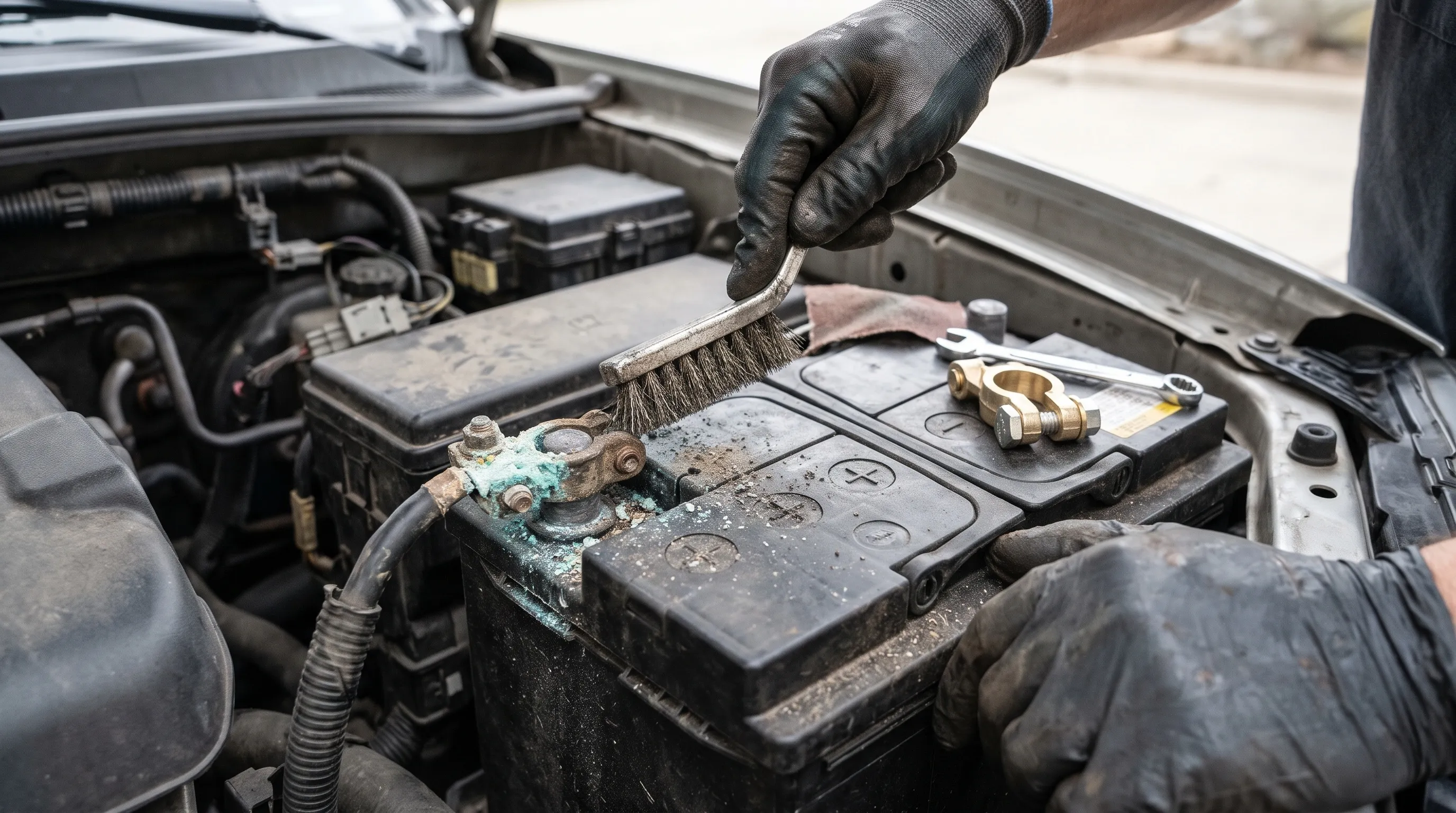
A load test puts the battery under the current a starter actually draws and shows how far the voltage collapses. Combined with charging output and a terminal check, that separates three cases that feel identical from the driver’s seat: a battery at the end of its life, a battery that is simply discharged, and a car that is not charging it.
What to do about it
- Have it tested when the car starts sounding slower, not after it fails.
- If the car sits for days at a time, drive it long enough to recharge, or expect a shorter life.
- Never accept a replacement without seeing the readings. If a garage will not show you a load test, you are being sold a part, not a diagnosis.
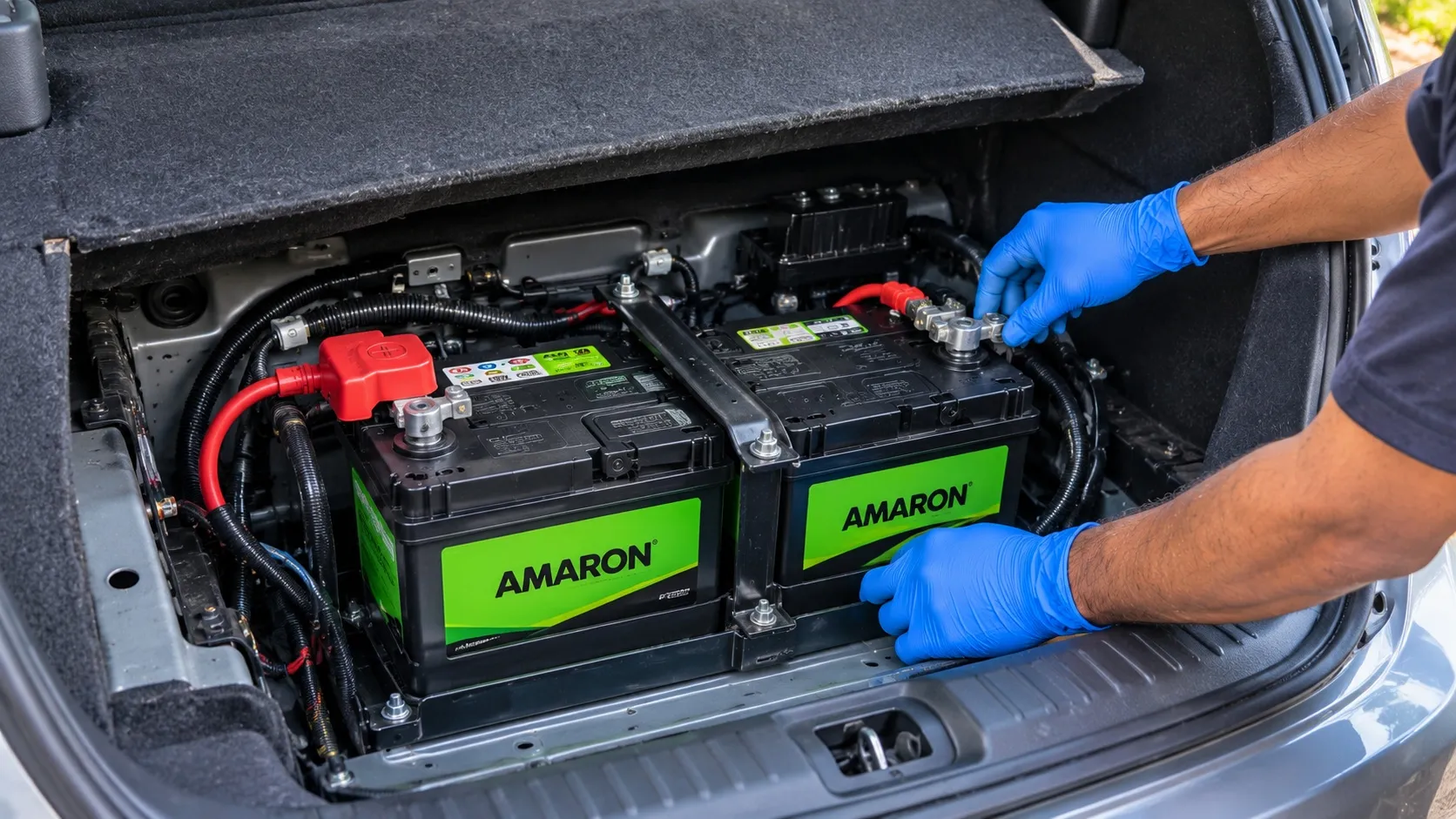
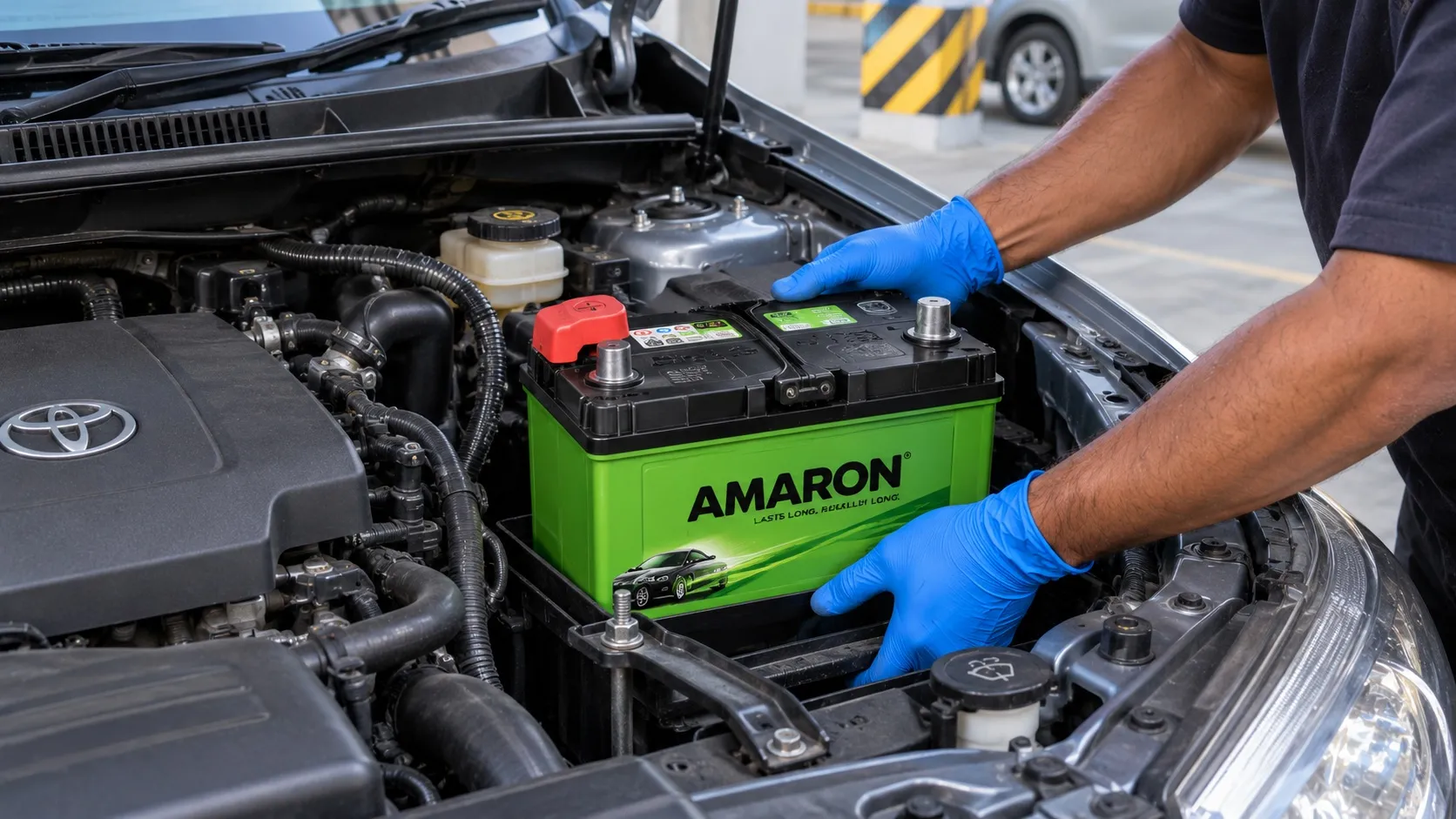
If the readings say the battery has failed, we fit a replacement where the car is parked. If they say the charging system is at fault, a new battery would only hide it for a week.