On this page
A dead battery on level B3 is a different problem from a dead battery at the kerb. Recovery trucks cannot enter most basements, because height barriers, ramp gradients and turning circles rule them out, so the usual advice (“get it towed”) does not apply.
Why a mobile service works underground
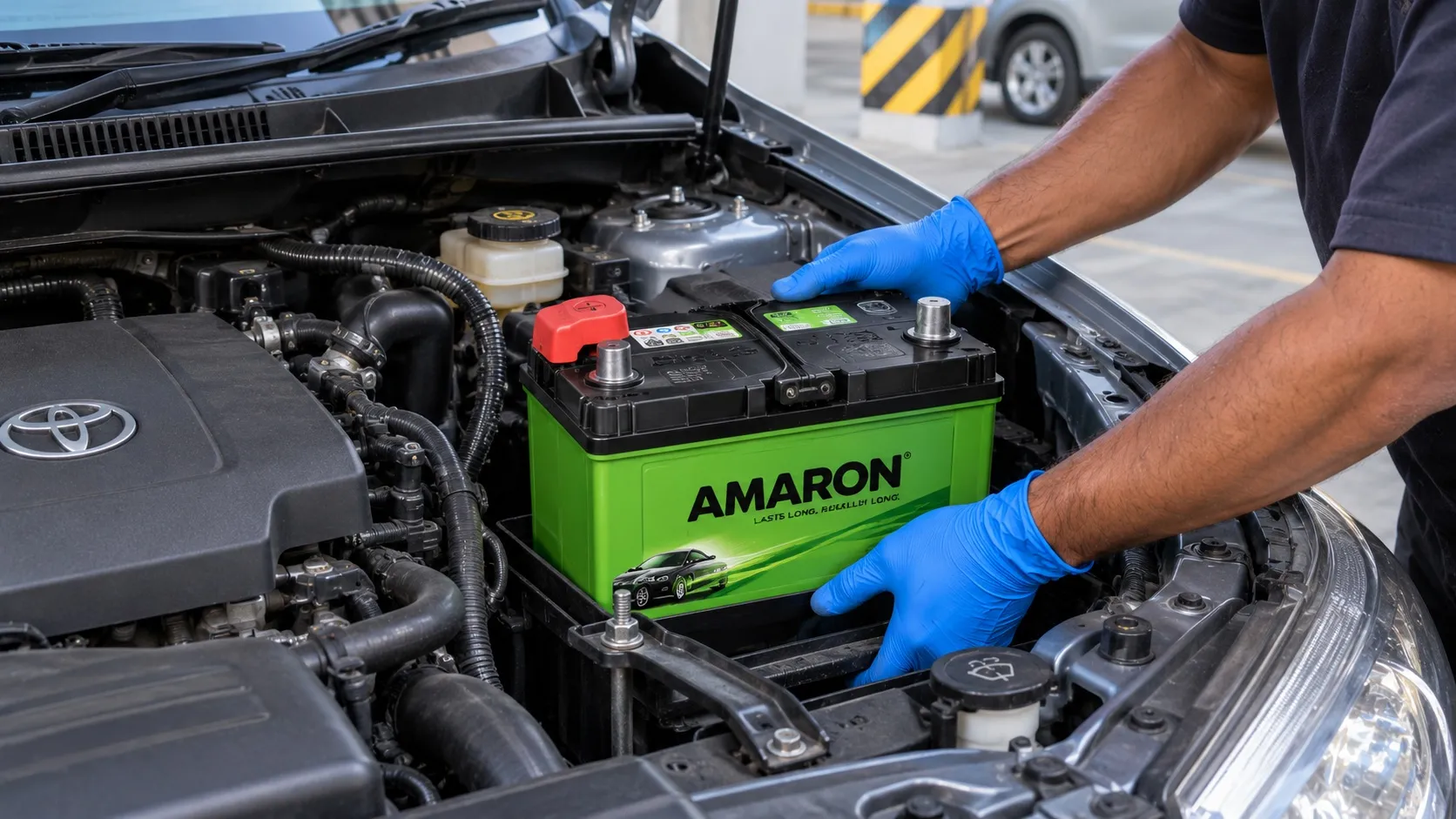
The equipment that matters fits in a hand cart: a jump pack, a load tester, hand tools and the replacement battery. There is no ramp, no winch and no truck. That is the whole reason this works on basement levels where a recovery vehicle cannot go.
Two practical limits are worth knowing:
- Ramps and barriers. A technician on foot is not affected by a 2.1 m height barrier.
- Distance from the entrance. Long basement walks cost time. Telling us the level and the bay up front is what keeps the arrival window honest.
What to tell us when you call
- Building or tower name. Not the street address. The name on the lobby door.
- Level. B1, B2, P3, roof. If there are two basement entrances, say which one is closest.
- Bay or pillar number. The single most useful detail. It is what the technician navigates by.
- Access rules. Visitor bays, security sign-in, a gate code, or a barrier that needs a ticket.
If the car is boxed in
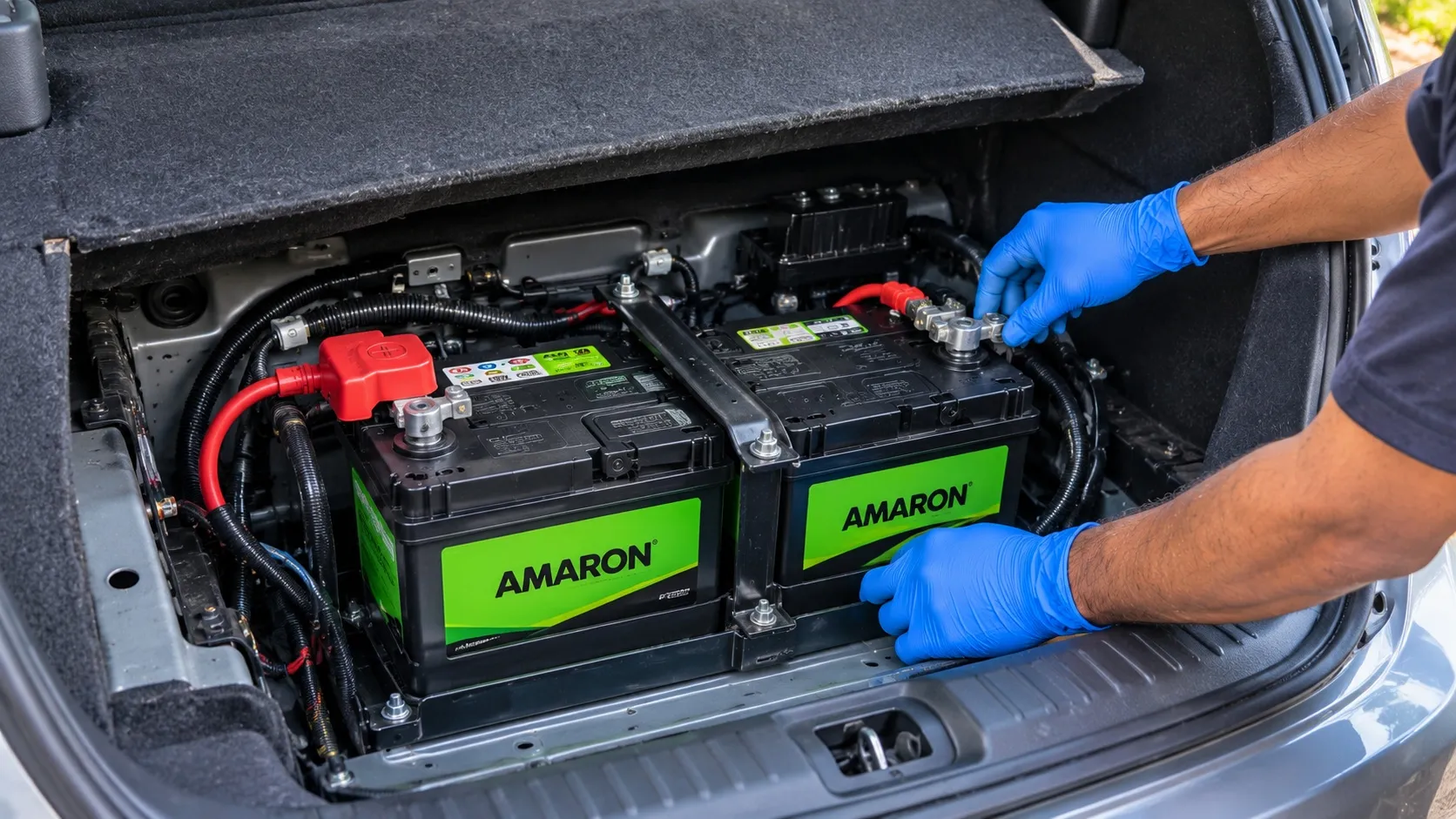
It usually does not matter. A jump-start or a battery replacement does not need the car to move, which is why this approach works in a full basement. If the battery is physically unreachable (behind a fixed panel, under a seat with the seat motor dead), tell us the model and we will say what is possible before dispatch.
What we will not do
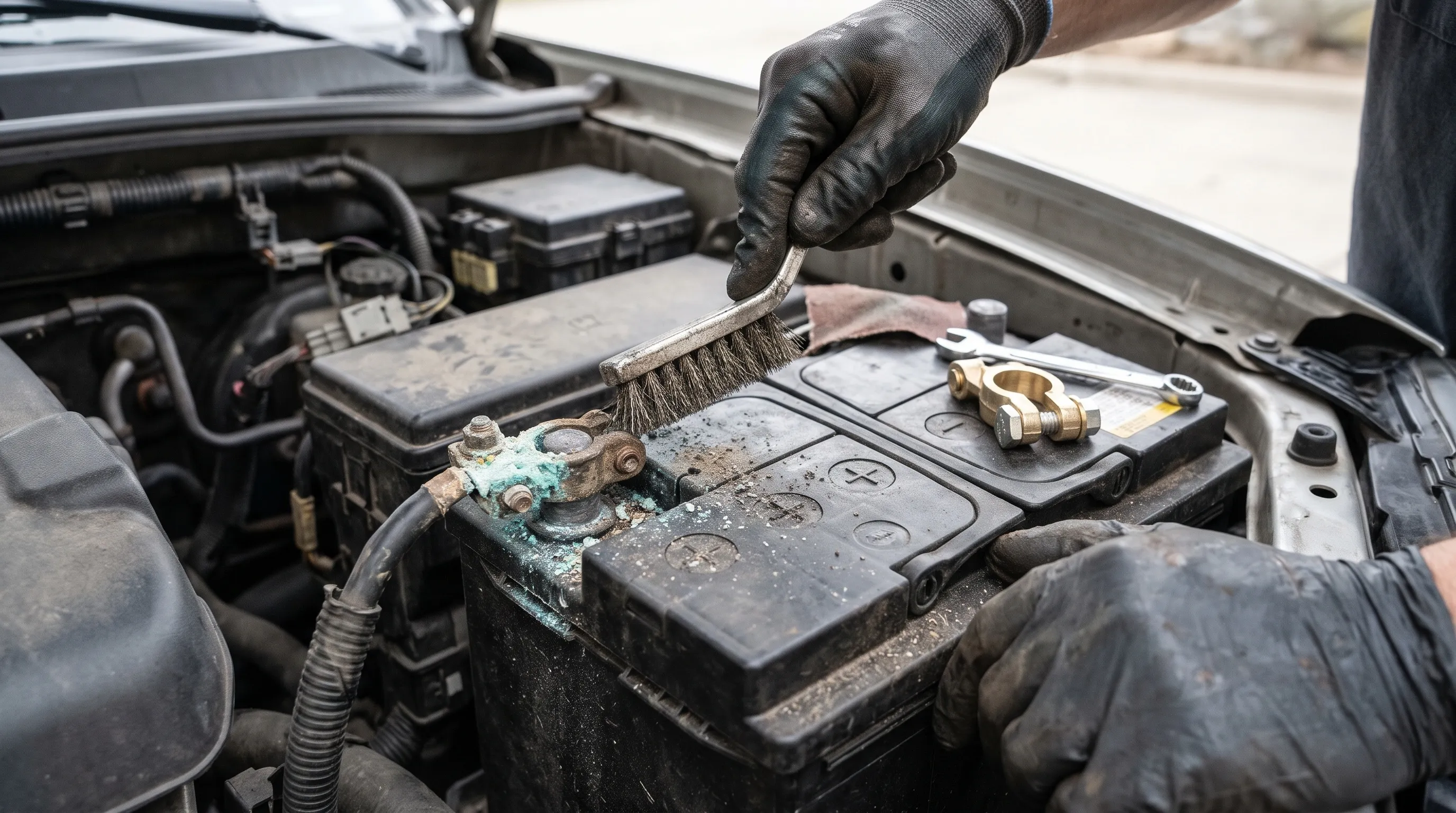
We will not tell you a battery is the problem without testing it, and we will not move your car out of a basement to make our job easier. If the fault is the charging system, you get the readings and a written price for that instead.